Renewable energy is energy derived from naturally replenishing sources such as the sun, wind, and water.
It does not deplete with use and is considered environmentally friendly compared to fossil fuels.
It helps reduce greenhouse gas emissions and environmental pollution.
It contributes to sustainable development by providing clean and renewable energy.
It is considered a strategic option to reduce dependence on traditional energy sources.
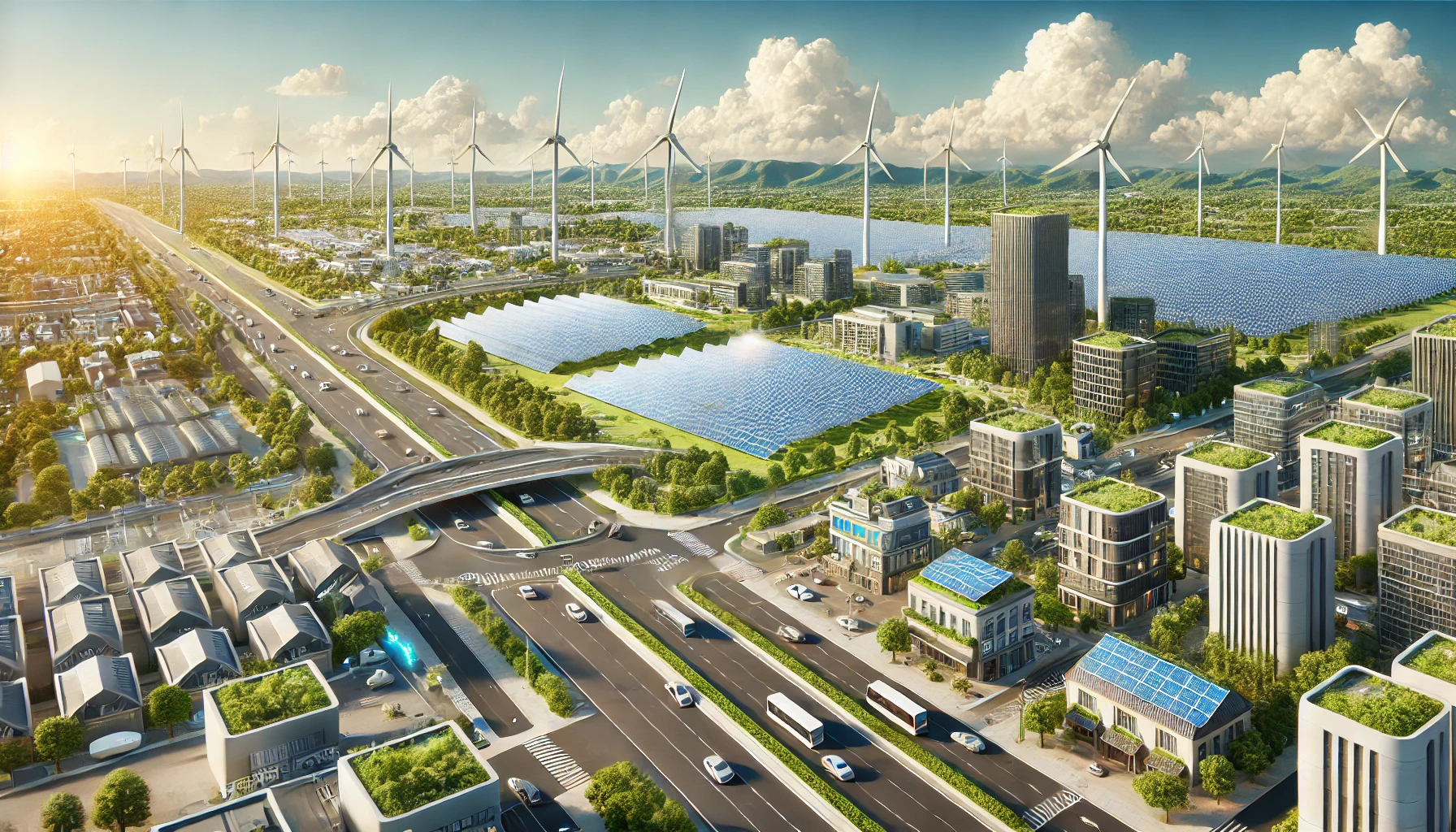
Reduces greenhouse gas emissions, helping combat climate change
Contributes to lowering energy costs in the long run compared to fossil fuels
Provides new job opportunities in engineering and environmental technology
Enhances energy security by reducing dependence on imported fossil fuels
Helps preserve natural resources for future generations
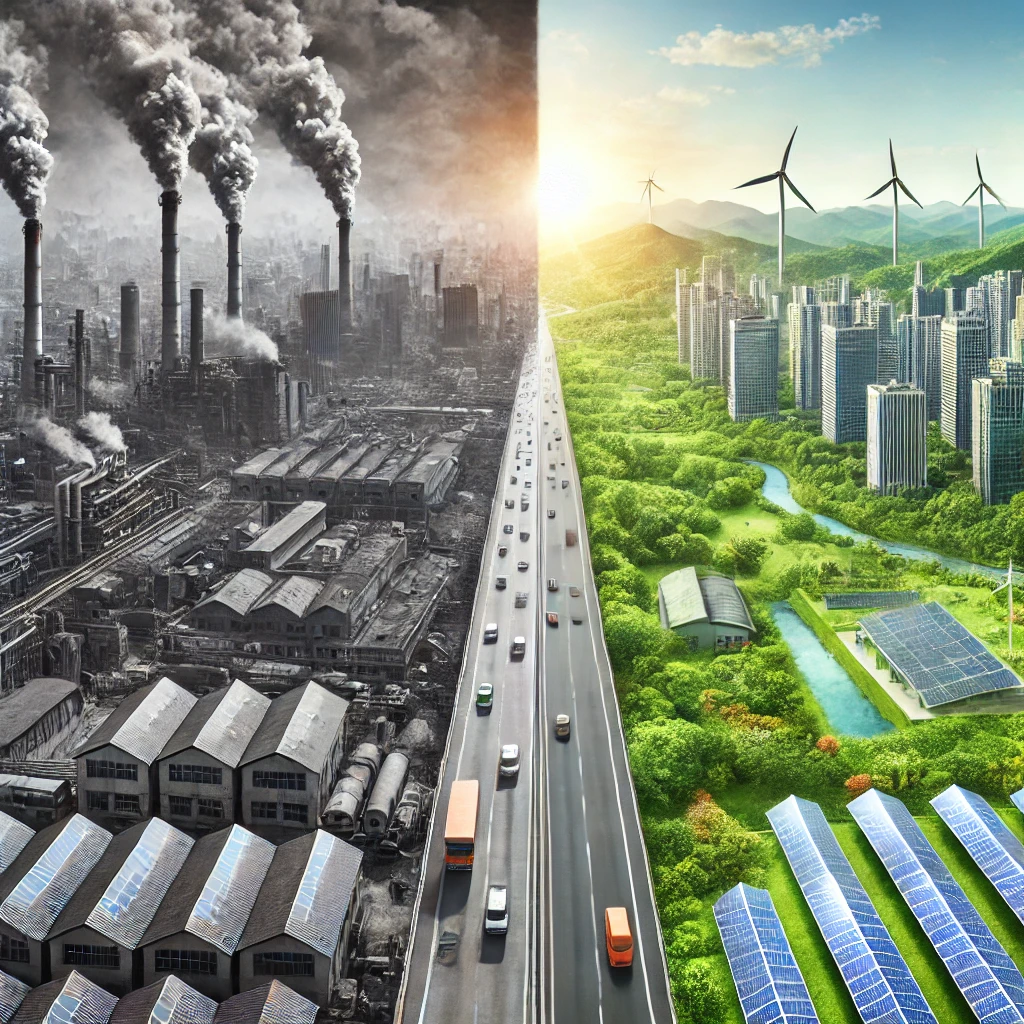
Relies on photovoltaic panels to convert sunlight into electricity
Used in solar heating systems to heat water in homes and industries
Produces no harmful emissions during energy generation, making it eco-friendly
Can be used in remote areas that lack traditional electricity grids
Requires areas with high solar radiation for optimal efficiency
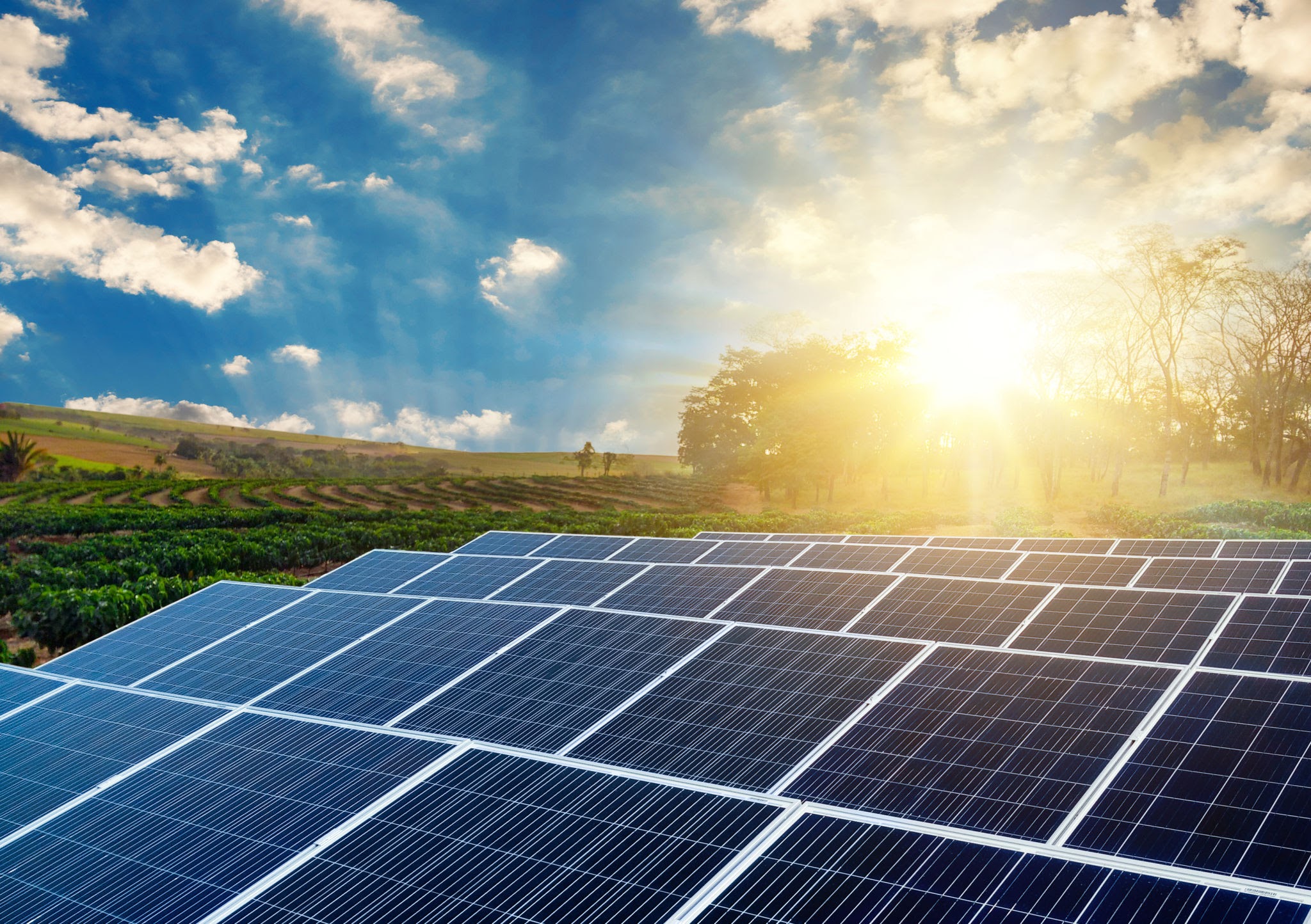
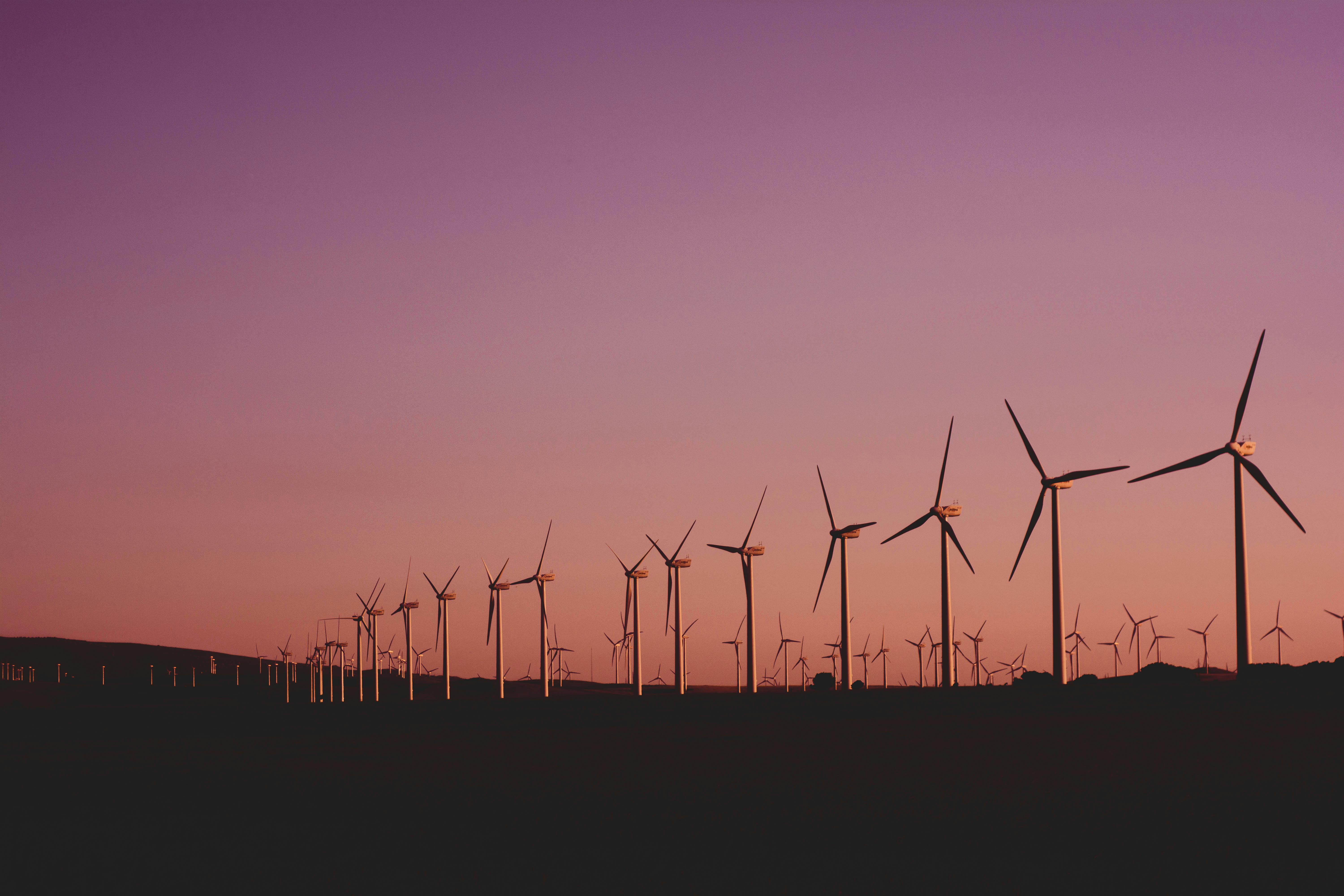
Electricity is generated through wind turbines that rotate with the wind
A clean and sustainable energy source that produces no carbon emissions
Used in coastal and elevated areas where wind speeds are high
Low operating and maintenance costs compared to traditional energy sources
May cause noise and requires large areas for wind farm construction
Relies on water flow in rivers and dams to drive turbines and generate electricity
Considered one of the most stable energy sources, operating year-round without interruption
Water can be stored in dams for use when electricity is needed
May affect aquatic life and ecosystems in rivers and surrounding areas
Used in many countries as a primary source of electrical energy

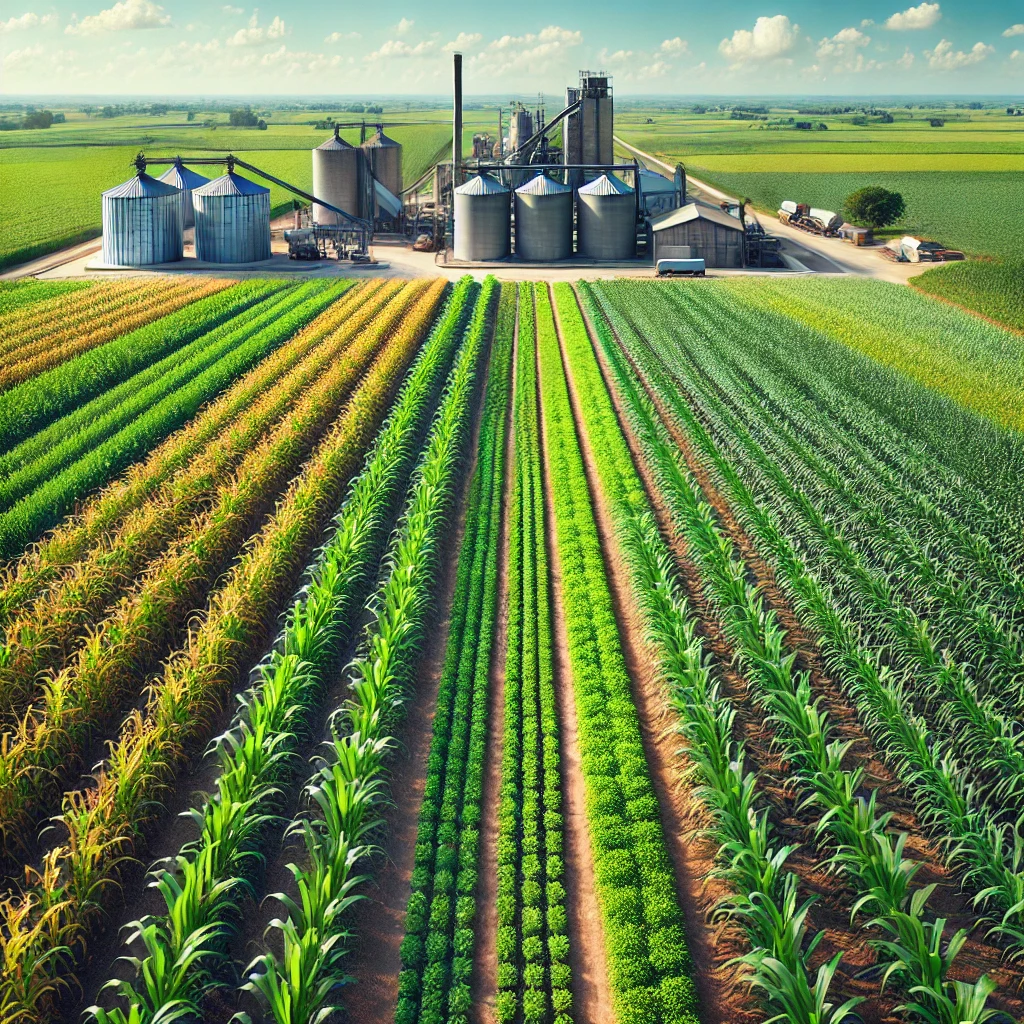
Relies on using plant and animal waste to produce energy
Can be converted to biofuels like ethanol and biodiesel
Used to produce heat and electricity through combustion or fermentation
Contributes to waste reduction by recycling organic materials
Requires advanced technologies to ensure efficient use
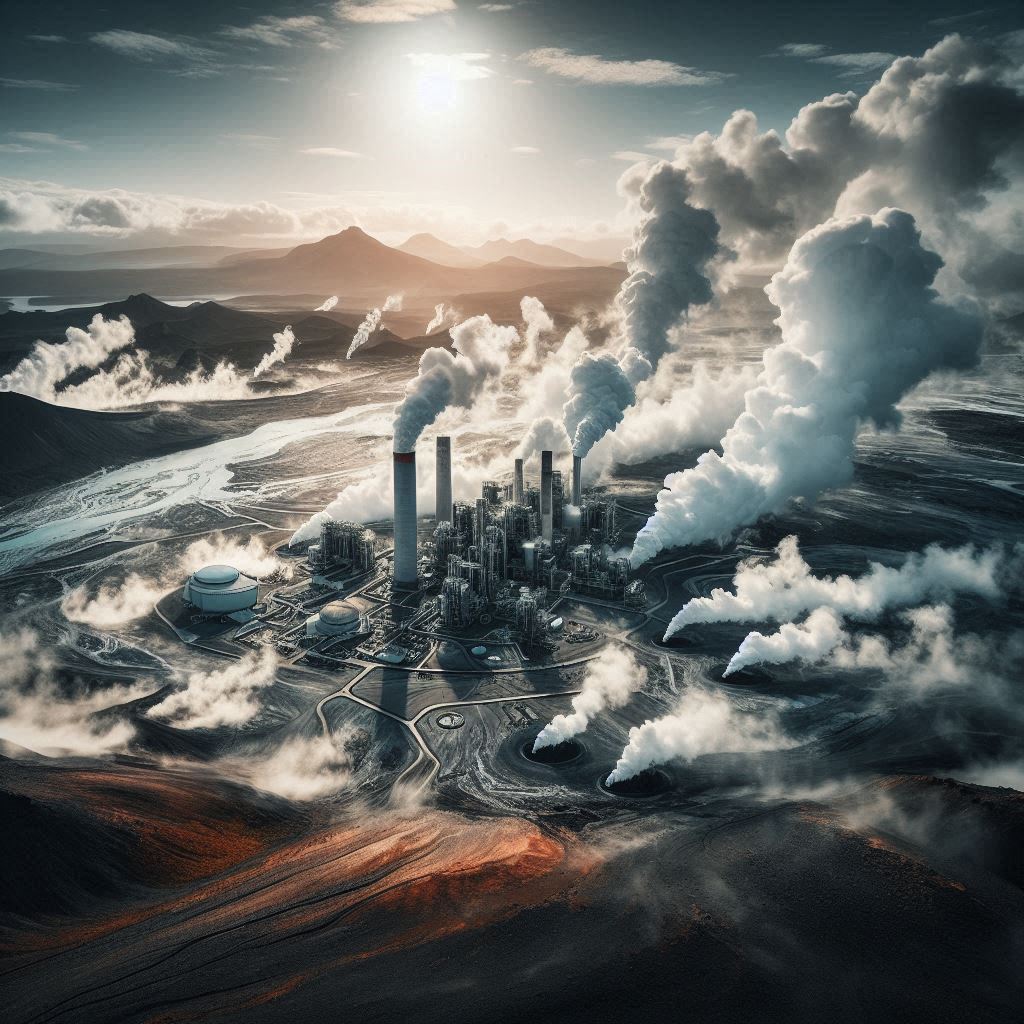
Utilizes natural heat from within the Earth to generate electricity and heating
Relies on pumping water to deep layers where it is heated by underground steam
Primarily used in countries with volcanic activity such as Iceland
Provides sustainable energy year-round unaffected by weather conditions
Requires advanced drilling techniques to access geothermal heat sources
Reduces dependence on fossil fuels and limits environmental pollution
Provides stable energy sources that can be relied upon long-term
Helps create new job opportunities in engineering and energy fields
Reduces operating and maintenance costs compared to conventional energy
Contributes to achieving environmental and economic sustainability

Requires high initial investments to build power generation stations
Some sources like solar and wind depend on weather conditions
Needs advanced technologies to store excess energy for later use
May require large areas for constructing solar or wind power stations
Requires updating electricity grids to accommodate renewable energy sources

The world is expanding its use of renewable energy as technology advances
Advanced storage batteries are being developed to improve energy efficiency
Innovations in hydrogen fuel cells enhance the future of clean energy
Renewable energy is expected to become the primary source of electricity worldwide
Governments support renewable energy projects through incentives and investments